How to Choose the Right Property Manager | Key Questions Every Landlord Should Ask
11 December 2025 · Patrick Rankin · 4 min read

Choosing a property manager shouldn’t feel like online dating…
But let’s be honest — it kinda does.
Everyone looks good in their profile picture.
Everyone says they “communicate well.”
And the real red flags only show up after you’ve signed the agreement.
The problem is this:
Most landlords don’t know what to ask — so they end up hiring the wrong person.
A weak property manager will cost you more than a bad tenant ever could:
• Delayed arrears action
• Missed inspections
• Poor documentation
• Tribunal risk
• Insurance compliance failures
But a great property manager?
They protect your investment, reduce your stress, and prevent small issues from becoming expensive problems.
So today, let’s break down the questions that reveal everything you need to know — the ones most landlords never think to ask.
1. “Who Actually Manages My Property?”
You sign with a company — but the person managing your home determines your outcome.
The wrong setup looks like this:
• Rotating property managers
• Whoever’s free answers emails
• No one knows the history
• Issues slip through the gaps
The right setup looks like this:
• One dedicated property manager
• A clear backup when they’re away
• Full digital notes
• A structured support system, not chaos
At Good Neighbours, you get a dedicated manager who actually knows your property, your tenant, and your goals — not whoever happens to be available that day.
2. “How Many Properties Does Each PM Look After?”
This is the silent killer of service quality.
Some Kiwi PMs are carrying 150–180 properties.
At that level, they’re not managing — they’re reacting.
Here’s the real workload behind a 120-property portfolio:
Routine inspections
• Every property must be inspected every 12–14 weeks
• That’s 480 inspections per year
• Which works out to 40 per month, or around 10 per week
Each inspection (photos, notes, Healthy Homes checks, follow-ups) takes 60–90 minutes, so that’s:
10–15 hours per week just on routine inspections.
Vacating tenants (the hidden workload)
Tenancies last 2 to 2.5 years on average.
With 120 properties, that equals:
• Around 4 move-outs per month
• Each vacancy takes 10+ hours of advertising, viewings, screening, tenancy agreements, entry inspections, and bond lodgements
40+ hours per month spent on re-letting.
Everything else
• Daily arrears
• Maintenance coordination
• Tribunal preparation
• Insurance documentation
• Rent reviews
• Healthy Homes compliance
• Landlord & tenant communication
When you add it all up, the tipping point becomes obvious:
80–120 properties = manageable
150+ = impossible to do well
This is exactly why Good Neighbours caps our PM workload — because when a PM crosses that threshold, service quality drops and landlords end up footing the bill.
3. “What Does the PM Actually Do — and Who Supports Them?”
This single question exposes whether a company is professional or overwhelmed.
Some companies expect the PM to do everything:
Admin, trust accounting, bonds, invoices, advertising, open homes, inspections, arrears, Tribunal prep, maintenance, conflict resolution, Healthy Homes compliance…
No one can do all of that well.
A professional structure looks like this:
• Admin team: trust accounting, bonds, statements, invoices, ledgers
• Property manager: communication, inspections, arrears, tenancy management
• Leadership: training, coaching, guidance, quality control
If a company can’t clearly explain their support structure, that’s your warning sign.
4. “What’s Your Arrears Process?”
Anyone can collect rent when tenants pay on time.
What matters is what happens when they don’t.
A strong arrears process includes:
• Daily arrears checks
• Immediate contact
• 14-day notice issued early (Day 4–6)
• Tribunal application on Day 7
• Insurance-aligned processes
• Clear documentation from Day 1
A weak arrears process?
That’s how landlords lose thousands.
5. “How Do You Screen Tenants?”
Your future cashflow depends on the quality of your tenant.
A professional screening process includes:
• Credit checks
• Background checks
• Income verification
• Tribunal history
• Reference calls
• Employment confirmation
• Behavioural assessment
• Privacy Act compliance
Here’s what most landlords don’t realise:
Insurance companies will scrutinise your tenant screening process if you ever claim for loss of rent or damage.
If screening was weak, claims can be declined.
Tenant selection isn’t gut feeling — it’s risk management.
6. “How Often Do You Inspect — and What Do You Look For?”
Inspections are where most future problems are caught early.
A good PM inspects every 12–14 weeks and checks:
• Under sinks & vanities (slow leaks)
• Hot water cupboard
• Oven cleanliness
• Food crumbs (pest prevention)
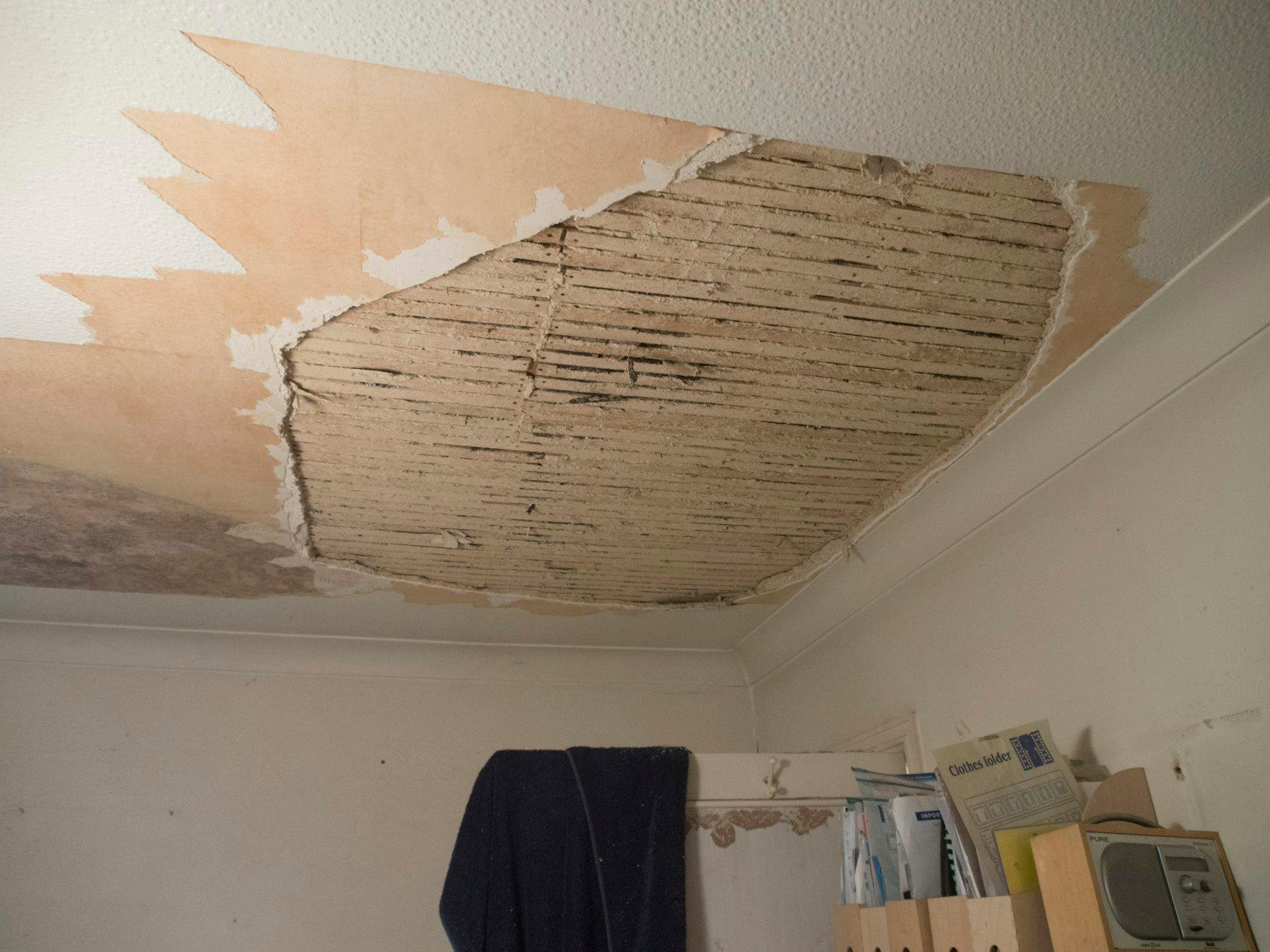
• Ceilings & corners (mould, leaks)
• Healthy Homes elements
• Maintenance issues
• Early signs of unlawful activity
Inspections also date-stamp the condition of your property — which makes insurance claims straightforward when something goes wrong later.
7. “Can I See Your Fees in Writing?”
Some companies advertise a low management fee…
and then add charges for:
• Emails
• Phone calls
• Statements
• Inspections
• Letters
• Advertising
• Everything they can get away with
Ask for the full, written fee schedule — not just the headline number.
Transparency builds trust.
The Real Problem: Landlords Don’t Know What Good Looks Like
Most landlords only discover a PM’s weaknesses after signing:
• Missed inspections
• Slow arrears action
• Poor communication
• Burnt-out PMs
• Tribunal surprises
• Insurance issues
But when you know exactly what to ask, the right PM becomes obvious immediately.
Download the Free Guide: The Landlord’s Checklist for Choosing the Right Property Manager
Want to assess your current PM — or compare companies before signing?
Download “The Landlord’s Guide to Choosing the Right Property Manager.”
Your comparison scorecard, interview questions, benchmarks, and red flags.
Download the Free GuideAbout the author
Patrick Rankin is the founder of Good Neighbours Property Management and has spent more than 14 years managing rental properties across Auckland and the Bay of Plenty.