Landlord Insurance in NZ | Avoid Declined Claims & Costly Mistakes
11 December 2025 · Patrick Rankin · 4 min read
If you own a rental property in New Zealand, there’s one belief that could cost you thousands:
“My insurance will take care of it.”
I wish it were that simple.
But the truth is:
If you get even one part of the tenancy process wrong, your insurer can decline your entire claim — even if the damage is real, the rent is lost, and the tenant caused it.
Most landlords never realise they’re exposed until a claim is declined.
Today, I’ll break down what landlord insurance actually covers, the traps that catch DIY landlords out, and how to protect yourself from declined claims, multiple excesses, and expensive vacancy periods.
1. What Landlord Insurance Actually Covers
Most NZ landlord policies cover four key areas:
Tenant Damage — accidental, intentional, or malicious
Loss of Rent — arrears, abandonment, or repairs after damage
Liability — if someone is injured or sues you
Extras — meth, burglary, water damage, depending on policy
But here’s the important part:
Insurance only works when your tenancy file is complete and compliant.
If inspections, notices, arrears management, or documentation are missing, insurers can — and often do — decline claims.
2. Insurers Expect You to Behave Like a Professional Landlord
This doesn’t mean being corporate — it means being proven.
You must be able to show:
Entry, routine, and exit inspections (with date-stamped photos)
Healthy Homes evidence
Smoke alarm installation + testing records
Correctly served notices
Arrears action within 7 days
Full rent ledger
Maintenance logs
Clear email communication
All actions aligned with the RTA
If even one of these items is missing, you’re exposed.
3. The Loss-of-Rent Trap (And Why Excesses Matter More Than Landlords Realise)
Loss of rent is one of the most stressful issues for landlords because your mortgage and expenses don’t stop when rent does.
The biggest problem?
Your excess can wipe out your entire claim.
Many landlords choose high excesses to keep premiums lower — $1,000, $1,500, even $2,500.
But here’s what that actually means.
Example:
Rent: $650/week
Excess: $2,000
Bond is applied…
Excess is applied…
And often, there’s nothing left to claim.
And there’s another hidden trap most landlords don’t think about:
If your insurance claim is approved, the tenant is liable for the excess.
Good luck collecting it.
Think about the typical situation:
The tenant can’t pay rent
They’re not answering your calls
They might be abandoning the property
They don’t have savings
They’re not in any position to pay $1,000–$2,500
So yes — legally, they owe it.
But practically?
You will never see that money.
Which means:
A high excess becomes your cost — every time.
That’s why, in the real world, the most practical excess in NZ is:
About one week’s rent.
Premiums stay reasonable, and claims are worth making.
4. Bond Treatment — Not All Insurers Are Created Equal
This is where many landlords get a nasty surprise.
There are two types of insurers:
Type 1 — Bond-offset insurers
These insurers deduct the bond from your insurance payout.
Here’s what actually happens:
You use the bond normally to cover arrears or damage
THEN the insurer subtracts the same bond amount from your payout
THEN they apply your excess
This “double-counting” of the bond means your payout is significantly reduced — or wiped out entirely.
Type 2 — Bond-friendly insurers
These insurers do NOT deduct the bond from your payout.
This means:
You can use the bond to tidy the home quickly
You re-rent the property faster
Insurance covers the actual loss, not the bond
Claims become far more worthwhile
This one difference can save landlords thousands.
5. Multiple Damage Events = Multiple Excesses
Insurance excess is charged per event — not per claim.
If you find:
A hole punched in one room
Another hole punched in another room
Even discovered at the same inspection, insurers may treat them as two separate events — meaning two excesses.
But here’s the good news:
One insurer treats all tenant damage as one single event
…but only when your documentation is flawless:
Entry inspection perfect
Routine inspections on time
Photos clear & consistent
Damage discovered at the same visit
Tenancy file complete & compliant
Good documentation = one excess instead of two.
6. The #1 Killer of Insurance Claims: Missed Inspections
A missed inspection exposes you to declines on:
Loss of rent
Tenant damage
Meth contamination
Liability claims
The biggest exposure?
Gradual damage.
It is almost never covered.
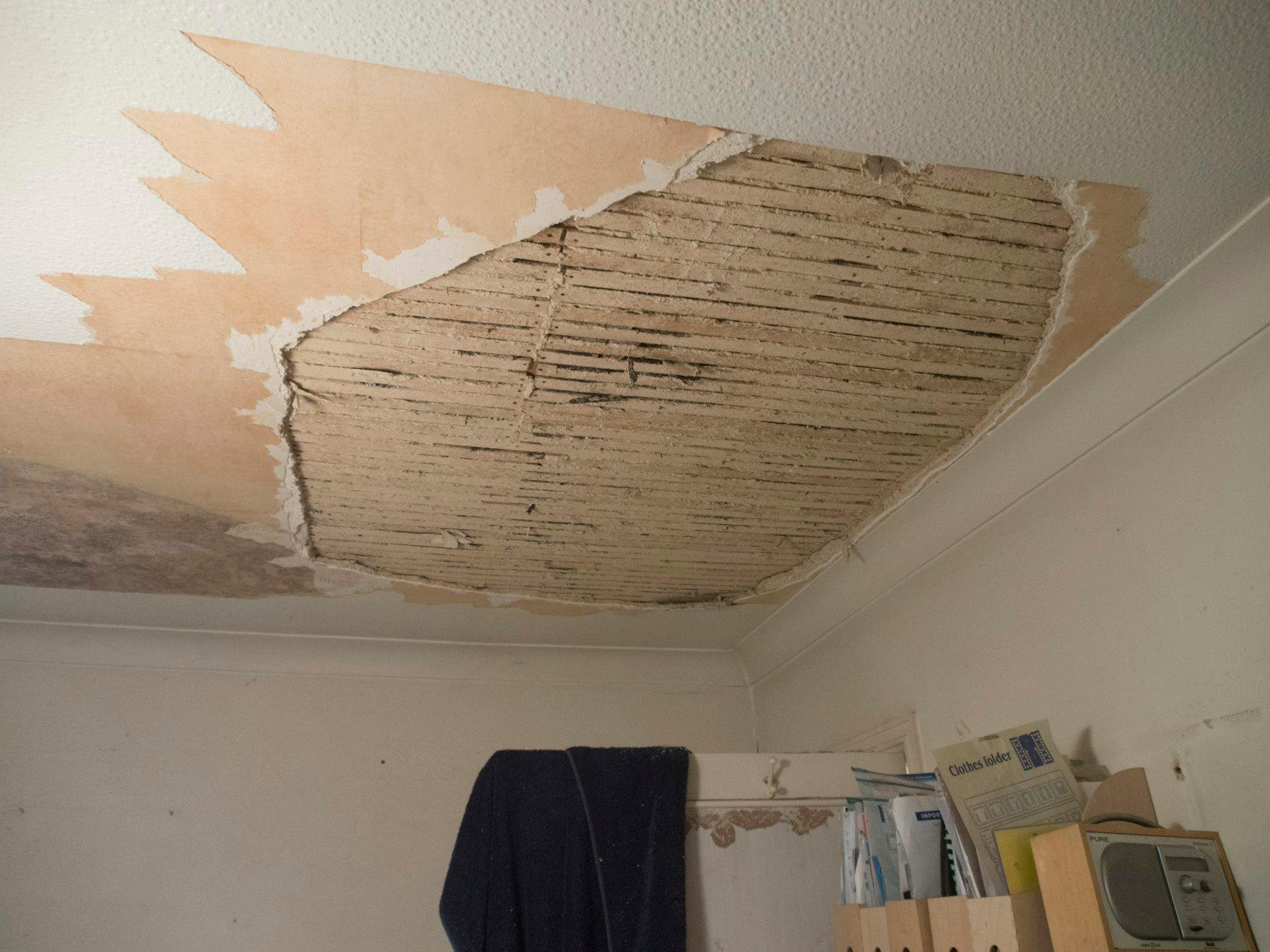
Slow leaks
Moisture issues
Rot
Mould behind curtains
Shower/bath deterioration
Insurers frequently argue:
“You should have discovered this earlier.”
Without routine inspections, you have no defence.
7. Poor Documentation = “Claim Declined”
Insurers expect your file to be complete.
If it’s not documented, insurers treat it as though it didn’t happen.
They expect:
Entry, routine, and exit inspections
Healthy Homes evidence
Smoke alarm checks
Rent ledger accuracy
Notice timelines
Email trails
Arrears action within 7 days
Maintenance records
Your documentation must be strong enough for insurers to justify paying your claim internally.
8. Why a Property Manager Saves You Money
DIY feels cheaper — until something goes wrong.
A great property manager protects:
Your rent
Your insurance position
Your compliance
Your documentation
Your Tribunal readiness
Your time and stress
And the cost?
About the price of a daily flat white — but instead of caffeine, you get peace of mind.
Final Thoughts — Insurance Only Works If Your File Is Flawless
Insurance isn’t a safety net — it’s a contract.
Your ability to prove everything determines whether your insurer pays.
At Good Neighbours, we:
Follow the RTA to the letter
Document everything
Keep your file insurance-ready
Protect landlords from declined claims
Download the Free Guide:
Download Your Free Guide“The 7 Insurance Mistakes NZ Landlords Make”
Your blueprint to avoiding declined claims, extra excesses, and unexpected costs.
This guide helps you review your tenancy file and fix gaps before they become expensive problems.
About the author
Patrick Rankin is the founder of Good Neighbours Property Management and has spent more than 14 years managing rental properties across Auckland and the Bay of Plenty.