Rental inspections you can rely on
A rental property can look fine from the street while something is quietly going wrong inside. A slow leak, a blocked gutter, mould starting behind a wardrobe. Routine rental inspections are how you find these things while they are still small.

We inspect every property we manage on a regular schedule, in line with the Residential Tenancies Act, and you receive a clear written report each time. No guessing and no wondering what state your property is really in.
What a routine inspection covers
- Interior condition, including walls, floors, windows and fixtures
- Kitchen, bathroom and laundry for leaks and moisture
- Smoke alarms and general safety
- Heating, insulation, ventilation and other Healthy Homes items
- Gardens, lawns, gutters and exterior
- Photos and a written report sent to you
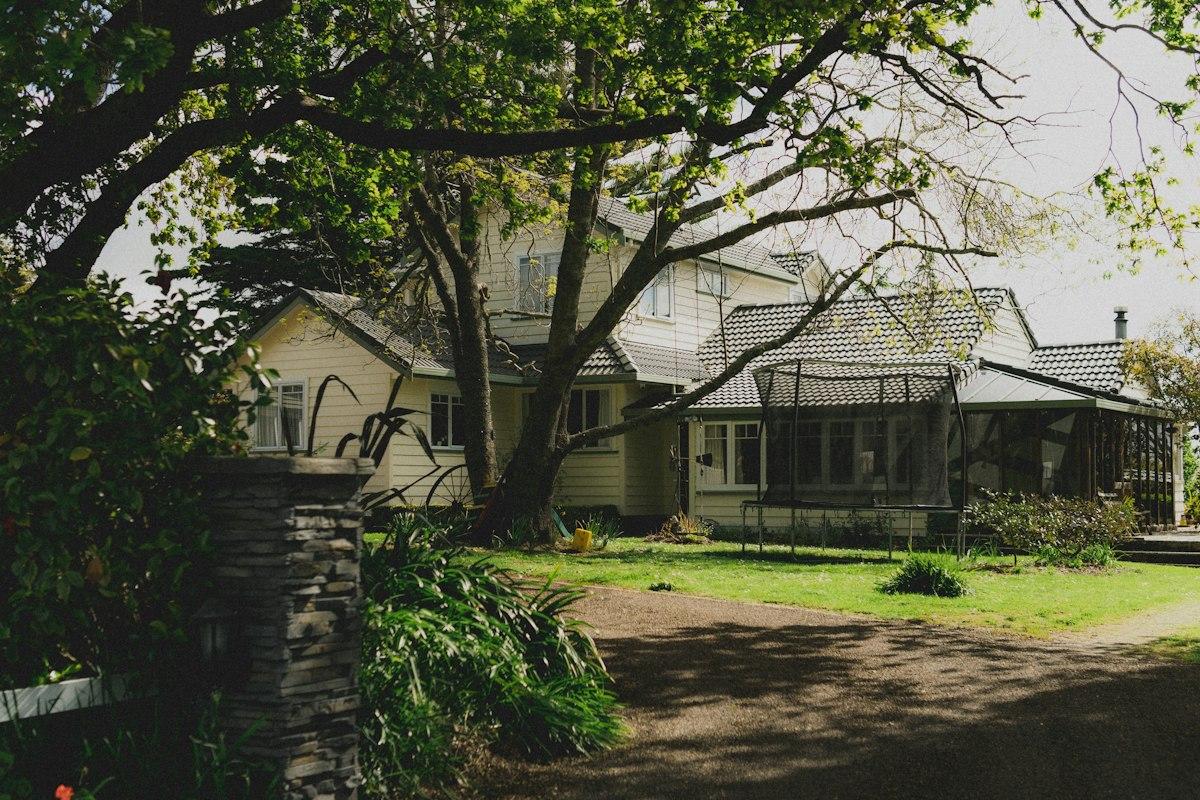
How we handle routine inspections
Open any section to read how it works.
Why routine inspections matter
Many landlords only discover a problem when a tenant moves out and the damage is already done. By then a small issue has often grown into a large bill, and it can be hard to show whose responsibility it was.
Regular inspections give you an ongoing record of the property’s condition. They help us spot maintenance needs early, check the tenant is looking after the home, and confirm that Healthy Homes requirements are still being met.
For landlords who live out of town, or overseas, routine inspections are often the only way to know what is really happening at the property. A report from someone you trust is worth far more than a drive-by.
How our inspections work
We give the tenant proper written notice before every inspection, as the law requires, and we keep to the limits on how often a landlord can inspect. Tenants are treated with respect, because a good relationship with them is one of the best protections you have.
Our property managers work through a consistent checklist covering the interior, exterior, appliances, smoke alarms, signs of moisture or mould, and general care of the property. Photos are taken so there is something to compare against next time.
Our systems schedule these inspections automatically, so none are forgotten or left until it suits someone’s diary.
We also keep the tenant informed about what we found, so there are no surprises. Where a tenant has looked after the home well, we are happy to say so, and that goodwill makes every future conversation easier.
What you receive afterwards
After each inspection you receive a written report with photos and plain-English notes. If something needs attention, we tell you what we found, what we recommend and what it is likely to involve, and we arrange repairs through our maintenance process once you approve.
If an inspection shows a problem with the tenant’s care of the property, we raise it with them in writing and follow up. Having this on file protects you if a dispute ever reaches the Tenancy Tribunal.
Your own rental property inspection checklist
If you want to understand what a good inspection covers, our rental property inspection checklist is a useful starting point. It walks through each area of the house and what to look for.
It is also helpful if you are currently self-managing and want a benchmark. If your own inspections are missing several of these items, it may be worth a conversation about how we could help.
See how we work
Patrick explains the Good Neighbours system in two minutes: what we do for landlords, and why every property manager here is trained on it before they look after a property.
- Finding great tenants
- Routine inspections
- Repairs and maintenance
- Fast, effective communication
Free guide
The DIY Landlord Survival Kit
A practical guide for landlords who manage their own rental and want to do it properly.
What’s inside
- A checklist of the paperwork every tenancy needs from day one
- How to screen applicants and reduce the chance of a bad tenancy
- Running routine inspections within the rules
- Keeping on top of rent and what to do when it is late
- Handling maintenance requests and knowing your obligations
Get the free guide
The PDF downloads straight away and we email you a copy.
Landlord guides
- GuideRental Property Inspection Checklist NZ for LandlordsA good inspection finds small problems before they become expensive ones and gives you the evidence you need if a tenancy goes wrong. Here’s a room-by-room checklist and the notice rules to follow.Read more
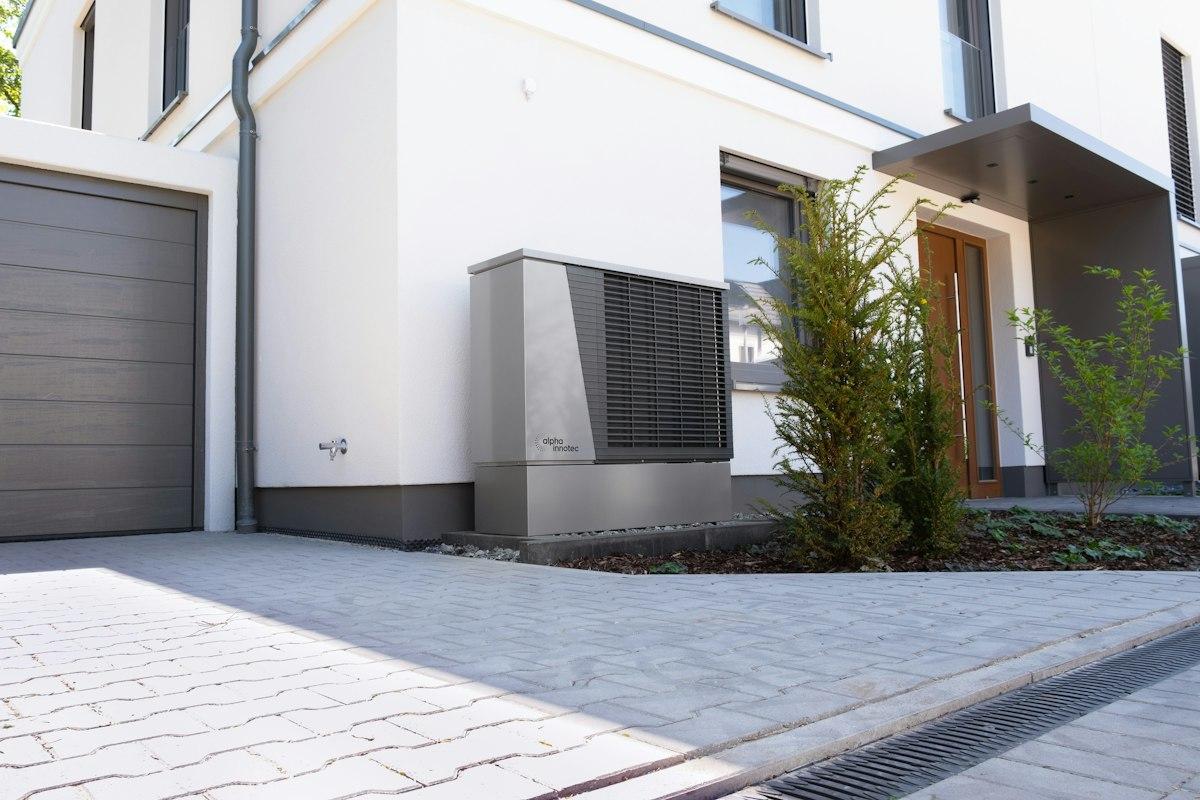 What we doHealthy Homes complianceRead more
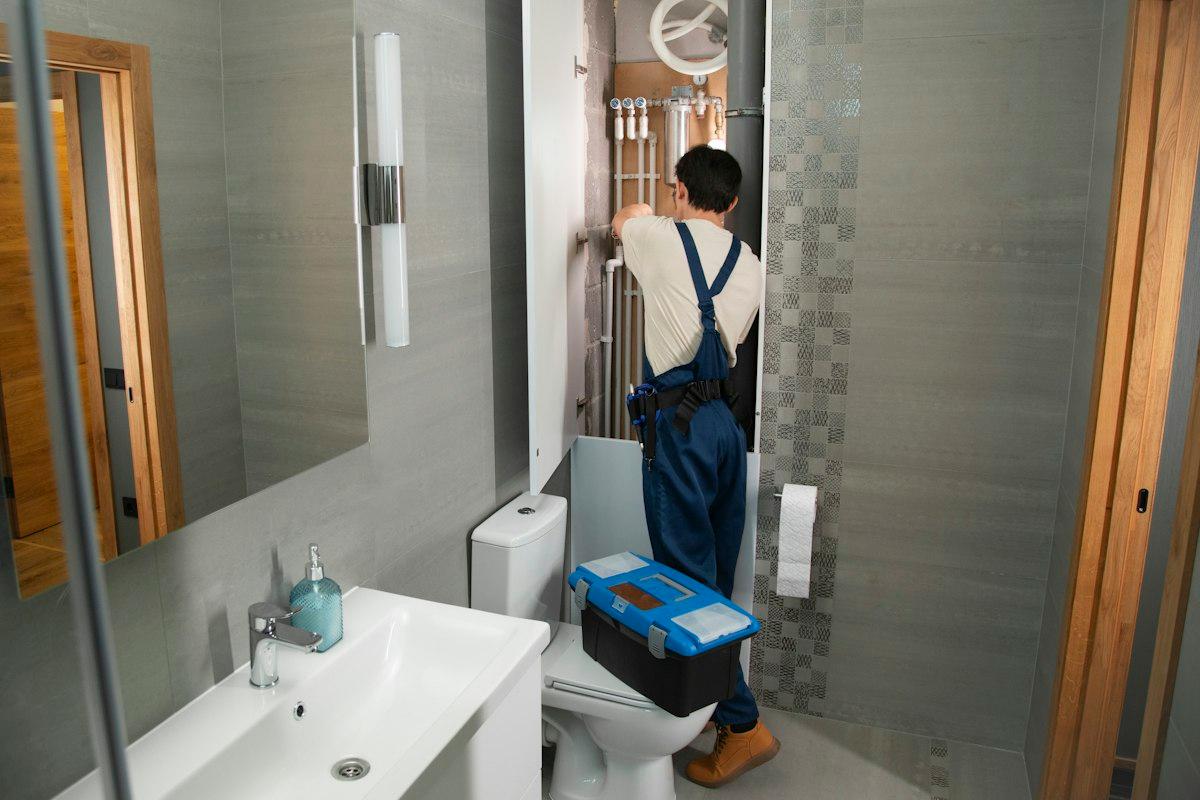 What we doMaintenance and repairsRead more
Routine inspections: your questions
How often can a landlord inspect a rental property in NZ?
What should a rental property inspection checklist include?
Will I get a report after every inspection?
Do tenants have to allow inspections?
Everything else we look after
One property manager, one system, and every part of the tenancy covered.
- Tenant selectionFinding tenants who pay on time and look after your place.Learn more
- Rent arrears managementRent monitored daily, with early action the moment it slips.Learn more
- Healthy Homes complianceHeating, insulation, ventilation and moisture, kept compliant.Learn more
- Maintenance and repairsRepairs handled by trusted trades, with your approval.Learn more
Let’s talk
Talk to a property manager
Whether you’re:
- Looking for a better property manager
- Renting out a property for the first time
- Dealing with difficult tenants
- Concerned about compliance
- Wanting a rental appraisal
Offices in Auckland and the Bay of Plenty
Send us a message
Tell us a bit about your property and we’ll be in touch.