Can Tenants Install a Wall-Mounted TV? What You Need to Know
11 July 2025 · Patrick Rankin · 2 min read
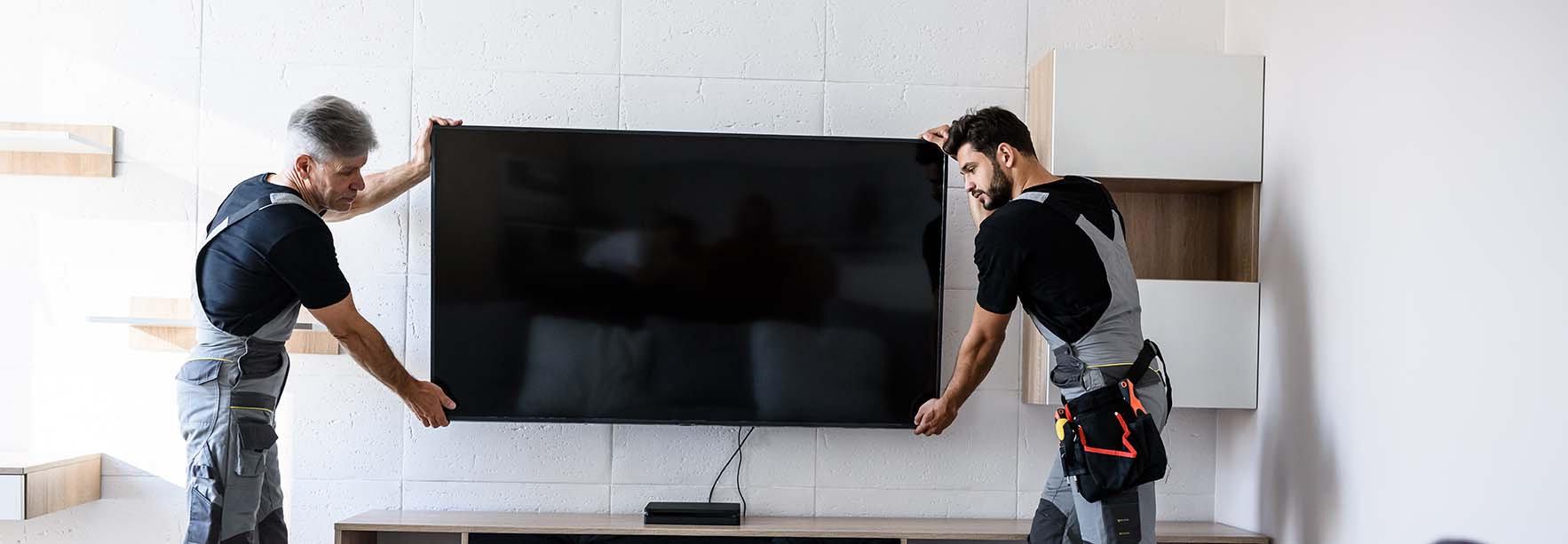
Imagine arriving at an inspection to find a massive TV affixed firmly to the wall—no permission sought, no holes left unrepaired, and plaster damage around each anchor point. It’s the kind of surprise that makes landlords cringe.
At Good Neighbours, we help landlords and tenants navigate these situations fairly—and protect properties from unexpected damage.
What the Law Says
Under Section 42A of the Residential Tenancies Act, tenants must obtain the landlord’s written consent before installing fixtures such as wall-mounted TVs. Landlords must not unreasonably withhold consent for fixtures like TV mounts or light changes if requested in writing.
Tenants may request to install a wall bracket or change curtains, hooks, or picture nails. In these cases, if the change is minor and reversible, landlords are expected to provide written permission within 21 days, and can only refuse for valid reasons—like structural risks or heritage concerns ().
At tenancy end, provided they remove the fixture without permanent damage, tenants can restore the wall and no deductions apply. Any unrepaired damage can be claimed as a repair cost.
Tribunal Insight
One Tribunal case highlighted tenants who mounted heavy items without permission. While the structural damage was limited, the landlord entered unannounced to remove the items—and was penalised $3,500 for illegal entry and harassment ().
This serves as a crucial reminder: even when damage occurs, procedural breaches—such as failing to get permission or proper notice—can backfire legally.
What Landlords Should Do
Require written permission for any drilling or mounting—including TV brackets, shelves, or artwork
Respond in writing within 21 days—approve minor fixtures or explain valid reasons for refusal
Include clauses at lease start that clearly outline permission procedures
Inspect and document at tenancy end: assess mounting holes and ensure walls are professionally repaired
How Good Neighbours Handles It
Our Property Managers:
Encourage tenants to make all permission requests in writing
Promptly review and swiftly respond to requests within the legal timeframe
Evaluate installation method, position, and potential damage before granting consent
Advise tenants to repair mounting holes or issue repair invoices if needed
Enforce entry protocol, respecting 48 hrs written notice before any access
Why It Matters
Allowing small changes fosters goodwill—but not at the expense of your property.
By managing requests properly, landlords maintain control, reduce disputes, and keep properties in tip-top condition.
With Good Neighbours:
Smart systems protect your asset
Communication builds trust
Legal compliance avoids costly mistakes
Pro Tips for Landlords
Include a “fixtures and fittings” section in the tenancy agreement
Use standard form requests and responses for quick processing
Have a local tradesperson on standby for hole repairs
Educate tenants at move-in on your expectations and procedures
Final Word
Tenants may want a mounted TV or new curtains—but they can’t just do it themselves.
Consent should be clear, respectful, and timely—but never assumed.
At Good Neighbours, we manage change properly, protecting your property—and your landlord-tenant relationship.
About the author
Patrick Rankin is the founder of Good Neighbours Property Management and has spent more than 14 years managing rental properties across Auckland and the Bay of Plenty.