Damage & Repair Disputes: What Landlords Need to Know
11 July 2025 · Patrick Rankin · 3 min read
Story Hook:
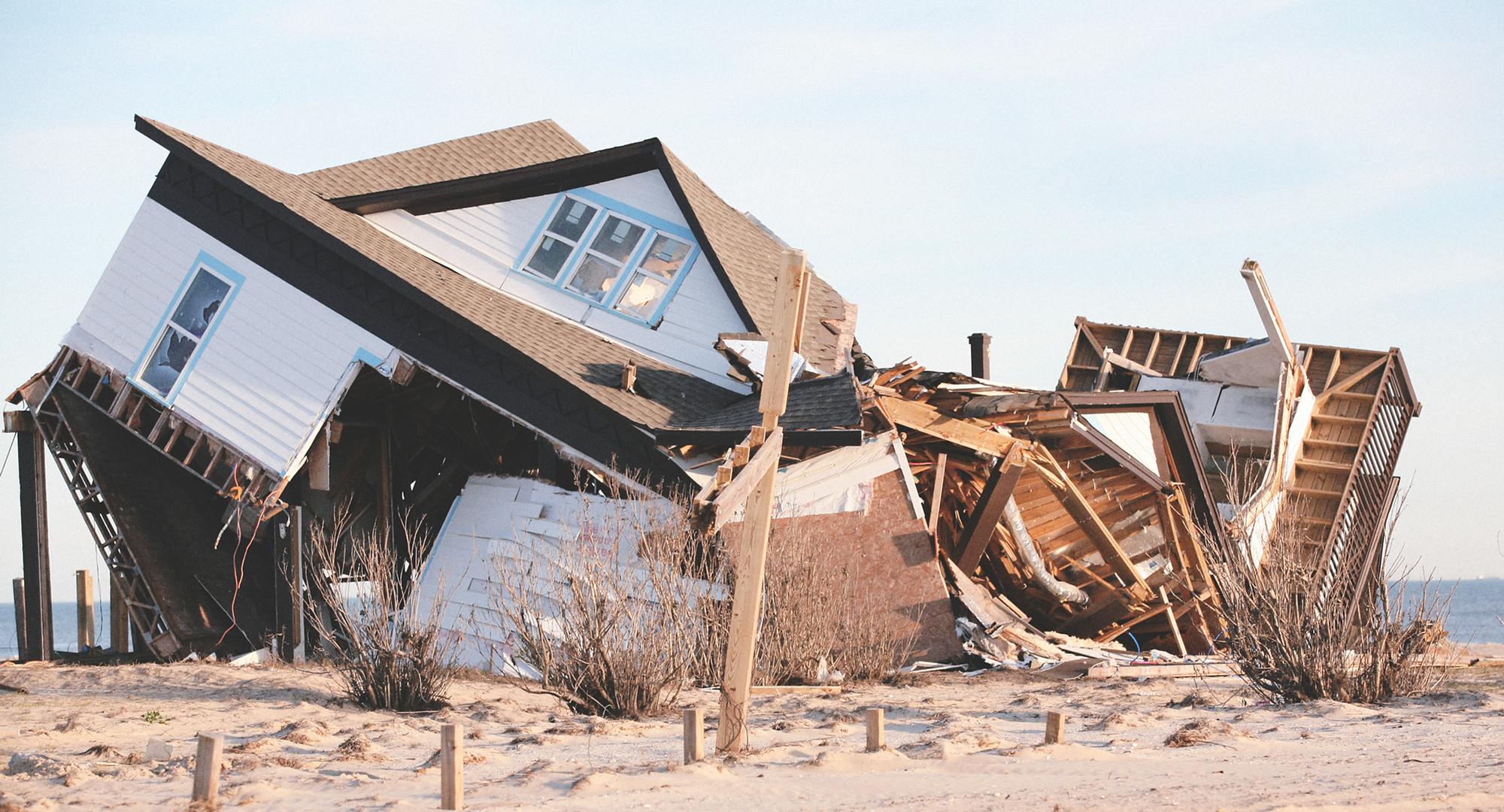
You arrive after a tenancy: a cracked window, holes in the walls, burnt spots on the benchtop. You feel confident—you’ll cover it with the bond. But the tenant disputes the damage as “fair wear and tear.” Who’s right?
Damage disputes are one of the biggest causes of bond holdbacks and tribunal cases. At Good Neighbours, we help landlords protect their properties—without overreaching.
What the RTA Requires
Under Sections 45–49B of the Residential Tenancies Act:
Landlords are responsible for “fair wear and tear”—the natural decline of items through normal use (e.g., worn carpet, scuffed paint on light switches).
Tenants are liable for intentional or careless damage—smashed windows, burns, holes, stains—up to the landlord’s insurance excess or 4 weeks’ rent, whichever is lower.
Landlords must prove damage is beyond fair wear and tear; tenants then must show it was accidental (not careless or intentional).
Tribunal Cases That Clarify the Line
CASE 1: HOLE FROM 3M HOOK — TENANT LIABLEIn one recent case, there was a 10-cent sized hole from a 3M hook. The Tribunal found this was more than fair wear and tear—similar to hanging a picture—and the tenant was ordered to pay for repair, minus depreciation.
CASE 2: MULTIPLE HOLES & BURNT BENCHTOP — LANDLORD WONIn Tauranga, a tenant left:
A dozen holes in walls
A broken light fitting
A stained carpet
Broken door handles
The Tribunal ruled this went beyond reasonable wear, and the landlord was awarded costs for repairs and cleaning.
WHAT COUNTS AS FAIR WEAR & TEAR
Generally accepted examples include:
Gradual carpet wear or fading
Minor scuffs, door scratches, worn tap washers
Aged paint, cracked ceiling plaster from building movement
Not considered fair wear and tear:
Holes in walls, burn marks, large stains, broken windows, graffiti, or deliberate alterations
What Landlords Should Do
DOCUMENT THOROUGHLY AT ENTRY:Take photos/videos of everything—walls, windows, benchtops, carpets, fixtures.
Provide a signed copy to tenants.
Identify and address small issues before they escalate.
Record problems and tenant responses.
If careless damage is found (e.g. carpet burn), ask tenants to fix or issue a 14‑day Notice to Remedy.
Charge repairs or claim through insurance as needed.
Take dated photos of all damage.
Gather repair quotes and documents.
Inform tenant in writing of proposed bond deductions.
If no agreement, apply to Tribunal with clear evidence and legal framing.
How Good Neighbours Manages Damage Disputes
Entry and exit condition reports with timestamps and signatures
Quarterly inspections to monitor wear and spot damage early
Simple tenant communications about early care
Written notices and repair order follow-through
Bond refunds and tribunal filings only when justified—with full photographic and invoice proof
Why This Matters
Disputes over damage cost landlords money, time, and bond delays
Overclaiming invites Tribunal pushback and unnecessary stress
Proper documentation and legal steps boost your success rate in recovering real costs
Pro Tips for Landlords
Review your insurance excess—make sure it’s lower than 4 weeks’ rent
Note depreciation—bond claims should cover fair replacement value, not full cost
Include plain-language damage clauses in your tenancy agreement
Treat Tribunals as a tool, not a threat—used properly, they support your position
Final Word
Damage versus fair wear is a legal grey zone—but landlords don’t need to get stuck there.
At Good Neighbours, we help you walk the line—protecting your property, your bond, and your peace of mind.
About the author
Patrick Rankin is the founder of Good Neighbours Property Management and has spent more than 14 years managing rental properties across Auckland and the Bay of Plenty.