What are a landlord’s repair obligations in NZ?
A NZ landlord must provide the property in a reasonable state of repair, keep it that way, and comply with building, health and safety laws, including the Healthy Homes Standards. Tenants must report problems and avoid causing damage. If urgent repairs are ignored, a tenant can arrange them and recover the cost, or go to the Tenancy Tribunal.
Repairs are where the landlord–tenant relationship is tested. Respond well and you keep a good tenant and protect your asset. Ignore a problem and it usually gets bigger and more expensive. Here is what the law expects of you.
What must a landlord keep in good repair?
Under the Residential Tenancies Act, you must provide the property in a reasonable condition and maintain it throughout the tenancy. That includes keeping it in a reasonable state of repair, complying with building and health and safety laws, and meeting the Healthy Homes Standards. In practice, that means things like:
- Structure, roof and weathertightness.
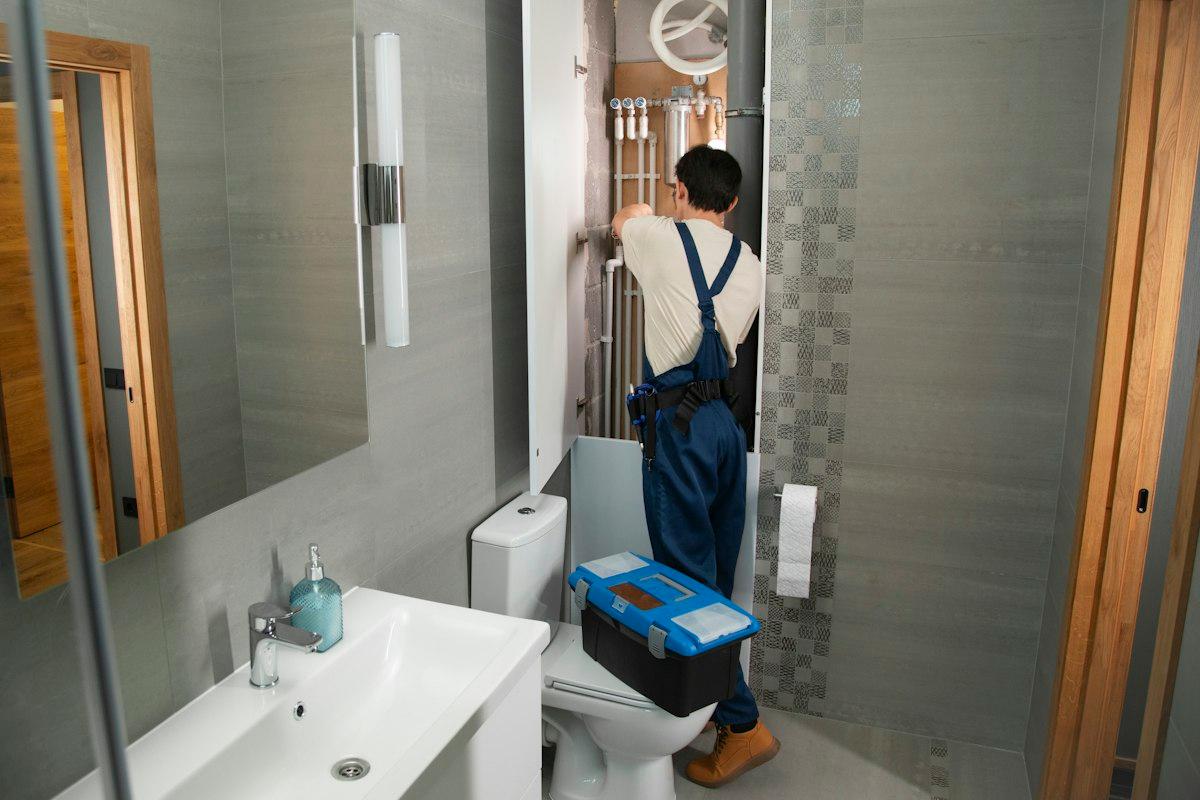
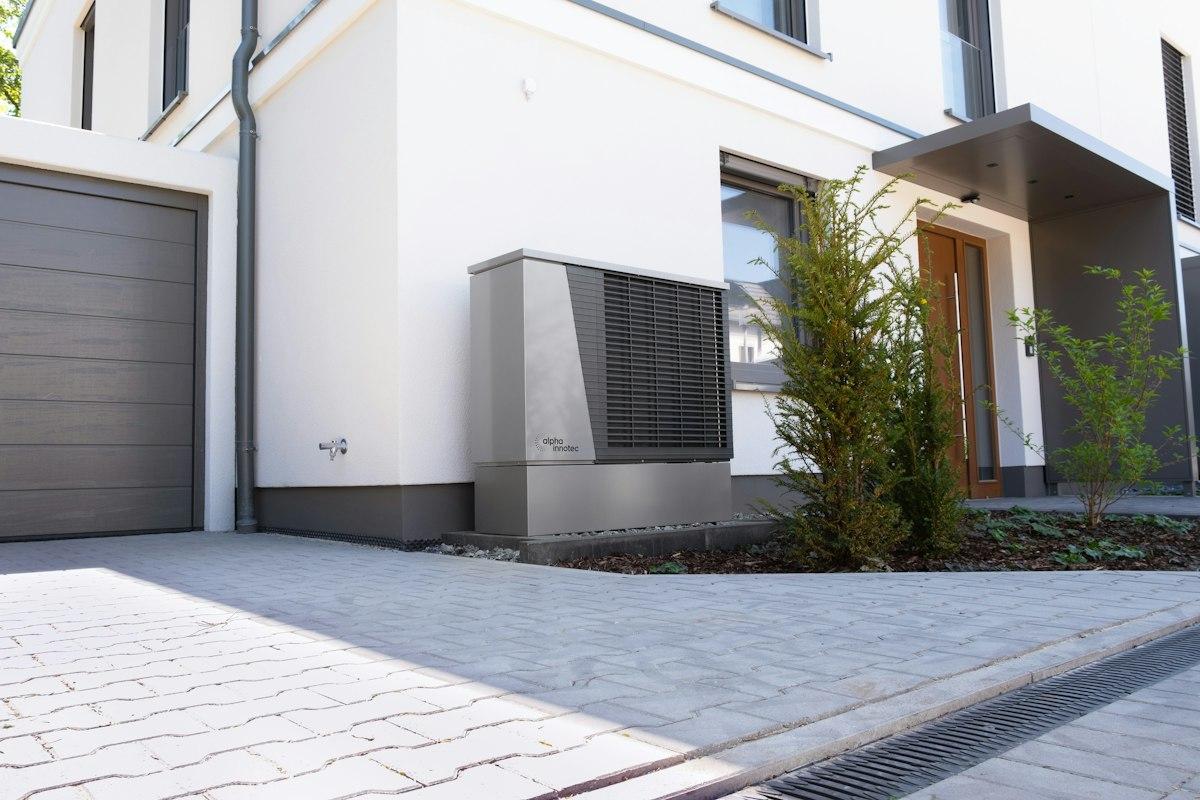
- Plumbing, heating, hot water and electrical systems.
- Smoke alarms and other required safety features.
- Insulation, ventilation, moisture control and draught stopping.
The standard is a reasonable state of repair given the age and character of the property, not perfection. Fair wear and tear is the landlord’s cost, not the tenant’s.
What about Healthy Homes?
The Healthy Homes Standards set minimum requirements for heating, insulation, ventilation, moisture ingress, drainage and draught stopping. They are legal requirements, and non-compliance can lead to penalties. Our Healthy Homes standards checklist goes through them one by one, and our Healthy Homes compliance service takes care of it for you.
What if a repair is urgent?
Urgent repairs, such as a burst pipe, a failed hot water system or a dangerous electrical fault, need a fast response. If you can’t be reached or don’t act, tenants have rights to arrange the repair themselves and claim the cost back, within limits set by law. Check Tenancy Services for the current rules on urgent repairs.
What are the tenant’s responsibilities?
Tenants must keep the property reasonably clean and tidy, report damage and problems promptly, and not cause damage through carelessness or intent. If a tenant breaks something, they may be liable for the cost. Disputes over who caused what are common, which is why condition reports and photos matter. See our inspection service.
What happens if you don’t repair?
A tenant can apply to the Tenancy Tribunal, which can order you to do the work, order compensation, or reduce rent. Ignoring repairs also leaves you exposed on insurance and Healthy Homes compliance.
How do you stay on top of it?
The simplest approach is regular inspections and a reliable trades network, so small problems are found before they become claims. At Good Neighbours we coordinate maintenance for the landlords we manage and keep every job documented. For a broader overview, read our guide to landlord responsibilities.
Keep a simple log of every repair request and what you did about it. If a dispute ever reaches the Tribunal, showing that you responded promptly and kept records is a strong position to be in.