
Lawn Clippings & Garden Waste: A Hidden Cost at Tenancy End
11 July 2025 · Patrick Rankin · 2 min read
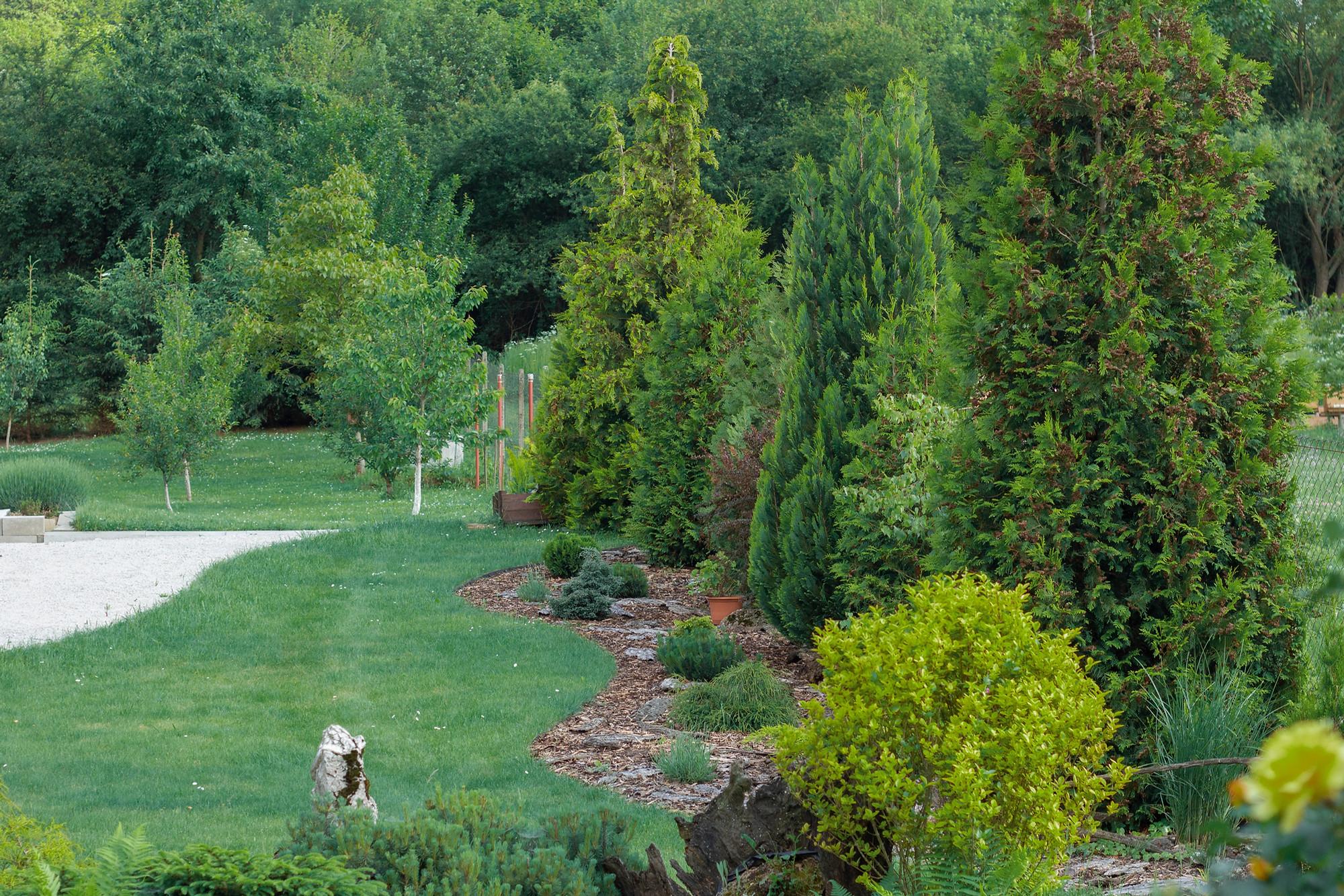
Picture this: You arrive at a rental after the tenancy ends. The lawns are mowed—but in every corner of the garden, there are giant heaps of lawn clippings and green waste. It’s unsightly, unwieldy, and now your gardener is charging you to clear it before re-letting.
Green waste piling up is a surprisingly common issue—and one that can lead to unnecessary expense or even Tribunal disputes if it isn’t handled correctly.
What the Law Says
Under Section 40 of the Residential Tenancies Act, tenants are required to leave the premises “reasonably clean and reasonably tidy”, which includes outdoor areas like lawns and gardens.
Leaving large piles of lawn clippings or garden debris is not considered reasonable—it’s beyond normal wear and tear, and gives landlords the right to seek remedies.
Why This Matters
Uncleared clippings encourage pests like slugs, rodents, or insects
They decompose, creating health and odour problems
Landscaping costs go up and the property risks poor curb appeal
If left unchecked, this can delay re-letting and potentially trigger tribunal complaints
Best Practice for Landlords
INCLUDE GARDEN EXPECTATIONS AT THE STARTIn your tenancy agreement or welcome pack, specify that tenants must dispose of lawn clippings and green waste.
During routine inspections, flag any large piles or areas needing attention early.
Clearly state what needs to be done: remove clippings, bag them or compost off-site, tidy the garden, etc.
Take dated photos of piles or debris as evidence before issuing notices and again after completion.
If tenants fail to clean up, lodge an application for a Work Order to hire a gardener and claim back costs via bond or tribunal order.
How Good Neighbours Handles Garden Waste Issues
Our Property Managers:
Set clear garden standards from day one
Monitor garden upkeep during routine check-ins
Act quickly with notices if green waste is being neglected
Coordinate local gardeners to tidy up between tenancies
Submit Tribunal claims only when tenants refuse to cooperate
By staying proactive, we minimise landscaping costs and ensure the property is ready for its next tenants—without drama.
Pro Tips for Landlords
Offer resources like local compost stations or green-waste bin locations
Encourage smaller, frequent clippings, not end-of-tenancy stockpiling
Consider a small, pre-paid garden voucher at tenancy end to offset green cleanup
Document every communication and inspection photo to support cost recovery
Final Word
Green waste may seem minor—but left unchecked, it can become a logistical and financial headache.
By making garden standards clear and acting early, landlords can avoid extra clean-up costs and keep rental timelines on track.
At Good Neighbours, we help you maintain gardens that are tidy, tenant-ready—and weed-free.
About the author
Patrick Rankin is the founder of Good Neighbours Property Management and has spent more than 14 years managing rental properties across Auckland and the Bay of Plenty.